
 by
Quick Highlights
- Loose electrical connections can create dangerous hot spots.
- Excess current raises temperatures inside electrical components.
- Poor ventilation traps heat inside panel enclosures.
- Dust and moisture can damage electrical connections.
- Thermal imaging helps detect abnormal temperature differences.
- Regular maintenance reduces the risk of equipment failure.
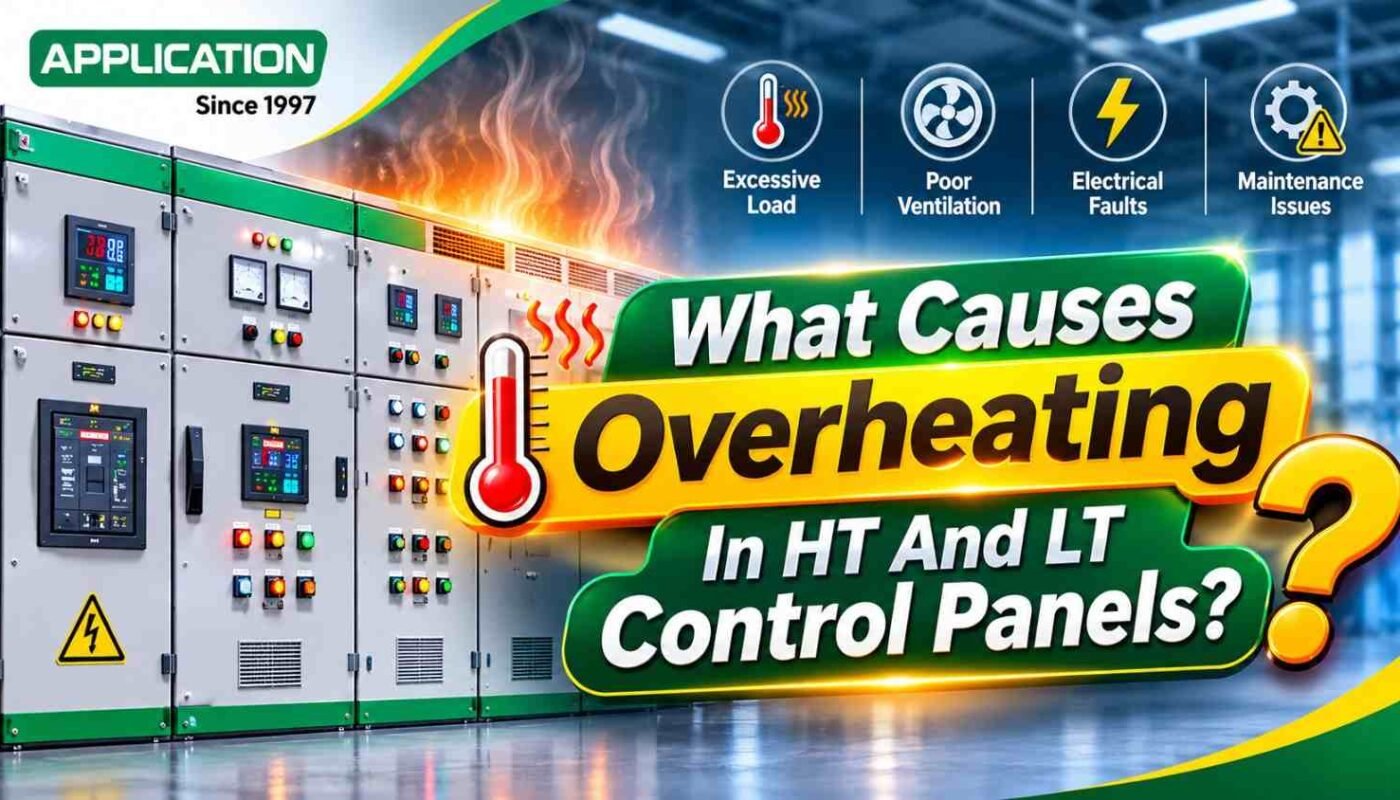
What happens when an HT or LT control panel becomes hotter than its normal operating temperature? The problem may start with a loose connection, an overloaded circuit, or poor ventilation.
If you ignore these signs, excess heat can damage electrical parts and affect the entire power system.
Overheating in HT and LT control panels is a serious electrical issue. Both types of panels carry and distribute electrical power. They also contain parts that can produce heat during normal operation.
The problem can affect circuit breakers, busbars, cables, contactors, and other electrical components. It can also increase the risk of insulation failure, equipment damage, and fire.
Let’s look at the common reasons, warning signs, and practical ways to control panel temperature in this article written by one of the best HT panel manufacturers –
What Are the Main Causes of Overheating in HT and LT Control Panels?
This can happen due to several electrical and environmental problems. Some faults create heat at a single connection. Other problems raise the temperature across the entire panel.
The most common causes are –
Loose electrical connections
Loose bolts and terminals increase contact resistance. This creates excess heat at connection points.
Overloaded circuits
Excess current produces more heat in cables, busbars, and circuit breakers.
Poor ventilation
Blocked air vents and faulty cooling fans stop hot air from escaping.
High ambient temperature
A hot electrical room raises the starting temperature inside the panel.
Damaged electrical contacts
Worn or burnt contacts create resistance and local hot spots.
Dust and moisture
Dust affects airflow. Moisture can cause corrosion and damage electrical connections.
Unbalanced electrical loads
Unequal current across three phases can cause abnormal heating.
Harmonic distortion
Certain electrical loads create extra current at different frequencies. This can increase heating in cables, transformers, and neutral conductors.
How Do Loose Connections and Overloaded Circuits Cause Excess Heat?
These are two common causes of overheating in HT and LT control panels. Both problems create extra heat, but they work in different ways.
A loose connection creates resistance at an electrical joint. Current passes through this point and produces heat. Even a small loose connection can create a dangerous hot spot.
You may find loose connections at –
- Cable termination points.
- Busbar joints and connecting bolts.
- Circuit breaker terminals.
- Contactor and relay connections.
- Transformer cable connections.
How Do Poor Ventilation, Dust, and High Room Temperature Affect Panels?
Poor ventilation and high surrounding temperatures can raise the internal temperature of HT and LT control panels. Electrical components release heat during normal operation. The panel needs enough airflow to remove this heat.
If the cooling system does not work properly, heat starts to build up inside the enclosure.
Several conditions can cause this problem –
- Blocked air vents restrict the movement of hot air.
- Dirty filters reduce the airflow from cooling fans.
- Failed fans stop forced air circulation.
- Dust deposits cover ventilation openings.
- Poor panel placement limits the movement of surrounding air.
- High room temperatures reduce the panel’s ability to release heat.
What Other Electrical Faults Can Increase Panel Temperature?
Apart from loose joints and poor ventilation, several electrical faults can cause overheating in these control panels.
Some common examples are –
Phase imbalance
When three phases carry unequal loads, one phase may become hotter than the others. This can increase stress on cables and connected equipment.
Harmonic distortion
Non-linear loads such as variable frequency drives and electronic power supplies can produce harmonic currents.
Worn breaker contacts
Repeated switching and electrical arcing can damage contact surfaces. Damaged contacts may develop higher resistance.
Incorrect cable size
Cables with an unsuitable current rating may generate excessive heat under normal operating conditions.
Corrosion
Moisture and chemical exposure can damage metal contact surfaces. Corrosion can increase electrical resistance.
Damaged insulation
Old, cracked, or overheated insulation can reduce electrical safety. It may also indicate a fault that needs immediate attention.
How Can You Detect and Prevent Overheating in HT and LT Control Panels?
You can detect overheating through regular maintenance, temperature checks, and electrical testing. Early inspection helps technicians find faults before they cause serious equipment damage.
Follow these practical steps –
Conduct thermal imaging inspections.
Thermal imaging cameras detect temperature differences across electrical components. They help technicians find hot spots at busbar joints, cable terminals, breakers, and contactors.
Check electrical connections.
Inspect cable lugs, terminals, busbar joints, and breaker connections. Qualified technicians should check tightening torque against manufacturer specifications. They should perform physical tightening only after following the correct isolation and safety procedure.
Monitor electrical load.
Measure the current on all three phases. Compare the readings with the rated capacity of cables, breakers, and other components. Check for excessive load and phase imbalance.
Inspect cooling equipment.
Check fans, filters, air vents, and cooling units. Replace faulty parts and remove dust from ventilation paths. Follow the manufacturer’s cleaning instructions.
Examine electrical contacts.
Check circuit breakers, contactors, and switching devices for wear, corrosion, and signs of arcing. Replace damaged parts with suitable components.
Maintain proper inspection records.
Record temperature readings, load values, and inspection dates. Compare new readings with previous records. This helps maintenance teams identify changes before a fault becomes serious.
Follow a planned maintenance schedule.
Set inspection intervals based on panel type, operating conditions, manufacturer advice, and site safety rules. Do not wait for a temperature alarm or equipment failure.
Final Point of View
As suggested by a Drawout type PCC panel manufacturer, overheating in HT and LT control panels can result from loose connections, excess electrical load, poor ventilation, damaged contacts, and other faults. Regular thermal inspections, load checks, and proper maintenance help detect these problems early. Always ask qualified technicians to inspect unusual heating and repair the actual cause.
FAQS
Can an HT or LT control panel overheat even without overloading?
Yes, it can overheat even when the electrical load stays normal. Loose connections, damaged contacts, blocked air vents, and faulty cooling fans can cause excess heat.
How can you tell if a control panel is overheating?
Look for burning smells, unusual sounds, discoloured wires, and temperature alarms. Thermal imaging can also help detect hot spots inside the panel.
Does a loose electrical connection cause more heat than an overloaded circuit?
Both can cause excess heat. A loose connection usually creates heat at one particular point. An overloaded circuit can raise temperatures across cables and other electrical parts.
Why does an LT panel overheat more during heavy machine operation?
It can increase the electrical load. Higher current produces more heat in cables, busbars, breakers, and contactors. An overloaded feeder can make the problem worse.
Can cleaning and regular maintenance prevent HT and LT panel overheating?
Regular cleaning helps remove dust from air vents and cooling fans. Technicians can also check connections, electrical loads, and damaged parts. However, cleaning alone cannot fix electrical faults.